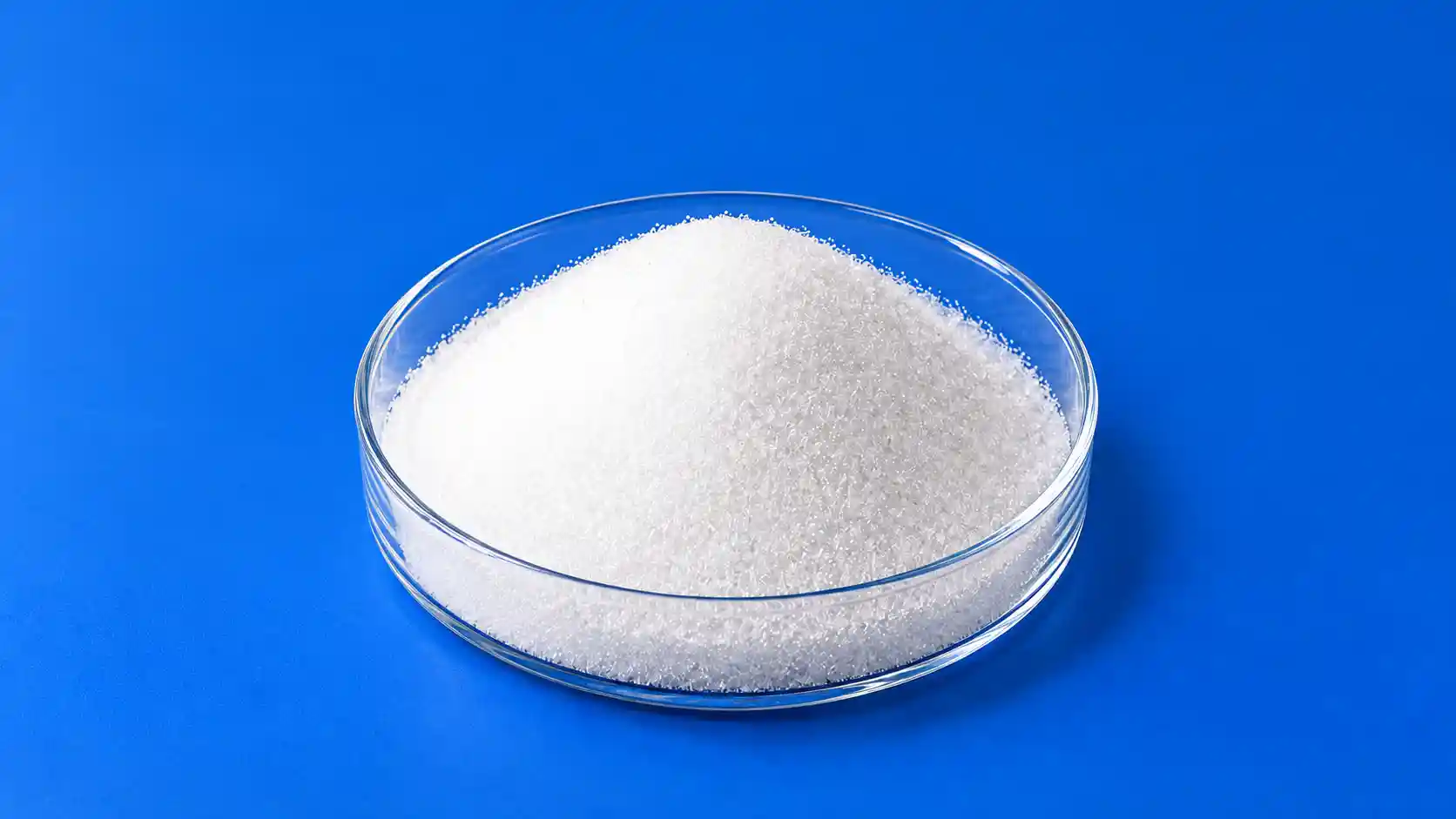
Citric acid is one of the frequently used acids which is naturally present in citrus fruits, but it is also artificially produced to be used in food, cleaning products, pharmaceuticals, cosmetics, and other manufacturing uses. This chemical has many uses because of the ability to control acidity, along with chelating certain metal ions.
In industrial uses, the following are the important considerations in selecting citric acid powders: form of the product, purity, moisture level, packing, and batches. Ochnology helps in B2B industrial buying and exporting needs, helping buyers assess their product and shipping needs.
Citric acid is a weak organic acid which is naturally present in lemons, oranges and other citrus fruits. Citric acid is produced commercially via microbial fermentation followed by recovery, purification and crystallisation.
Chemical structure of citric acid is C₆H₈O₇ in case of anhydrous citric acid. Citric acid is available commercially mainly as citric acid monohydrate while citric acid anhydrous (without any water) is also available with varying degrees of water content and molecular weight.
Important characteristics include:
The right type of anhydrous citric acid is required for a particular application.
By knowing the properties of citric acid, the manufacturers can decide on which formulations it can be used for. It is also used because of its acidity, water solubility and binding properties to certain metal ions in food processing, cleaning and other applications.
Key properties include:
The behavior of this substance depends upon many factors like concentration, temperature, pH, etc.
Citric acid is generally available in two forms. These varieties contain varying amounts of water.
| Comparison factor | Citric Acid Monohydrate | Citric Acid Anhydrous |
|---|---|---|
| Chemical formula | C₆H₈O₇·H₂O | C₆H₈O₇ |
| Water content | Contains water of crystallisation | Does not contain water of crystallisation |
| Formula weight | Approximately 210.14 g/mol | Approximately 192.13 g/mol |
| Appearance | White or colourless crystals or powder | White or colourless crystals or powder |
| Selection factors | Grade, moisture and formulation requirements | Grade, moisture limits and formulation requirements |
The selection is based on the application and product specification. When manufacturing quantities it should be noted that the different molecular weights should be taken into consideration and not assumed to be interchangeable.
Citric acid is used in industry for food processing, cleaning, pharmaceutical, cosmetic and some process applications. It has different properties of acidity and metal-binding, which is useful in diverse formulations.
The citric acid uses in food industry includes beverages, confectionery, sauces, jams and processed foods. Citric acid assists to neutralise, to balance flavour and to maintain the consistency of a formulation.
Common applications include:
The grade and quantity chosen should comply with the applicable food law and formulation requirements.
In some cleaning products, citric acid can be used to control some mineral deposits, and to bind some metal ions. It can be used in descaling solutions, bathroom-cleaners or any other formulation where acidity is needed.
The requirement for its effectiveness is dependent on the deposit, surface material, concentration and contact time. Compatibility testing is important if the metals, coatings and equipment are sensitive.
Citric acid could be employed as an acidity regulator or as a component of acidity buffering system in appropriate pharmaceutical formulations. It's also found in certain effervescent products.
Before buying, the buyers are advised to verify the grade, purity, impurities limits and the applicable pharmacopoeial specification.
In cosmetics and personal care products, citric acid can be used to control pH in shampoos, cleansers, creams and other cosmetics. The concentration should be suitable for the final product, and should be compatible, stable and meet the applicable regulations in development.
Selected descaling, cleaning and process applications with mineral deposits or metal ions are possible with citric acid. It is suitable for water chemistry, material to be treated and operating conditions.
Potential applications include:
These factors need to be considered prior to use.
The concentration and grades will vary depending on the intended application.
| Industry | Typical applications | Main function |
|---|---|---|
| Food and beverages | Drinks, jams, sauces and confectionery | Acidity regulation and flavour balance |
| Cleaning products | Descalers and selected cleaning formulations | Helps manage mineral deposits |
| Pharmaceuticals | Selected medicines and effervescent formulations | pH adjustment and formulation support |
| Cosmetics and personal care | Shampoos, cleansers and creams | pH adjustment and chelation |
| Industrial processing | Selected cleaning and process applications | Acidity control and metal-ion binding |
Citric acid used in the preservation of food can be effective as far as the control of acidity and quality of the product if combined with proper processing, packaging and storing techniques. Commonly used in beverages, jellies, sauces, etc.
Its main functions include:
It acts as an acidity regulator and ensures that there is a proper level of acidity in the product. It cannot be used universally as a preservative. Its usage is done depending on the regulations.
Citric acid, food grade, must adhere to the appropriate purity/safety requirements. Buyers should verify:
In the case of exports, check food regulations of the market.
Formation of complex compounds with metal ions is referred to as chelating agents. This is among the properties of citric acid that could be used in certain cleaning products and industrial products.
Suitable labelling and provisions for regulation. It can control mineral deposits or metal ions which cause formulation instability. The performance is, however, dependent on the application and compatibility testing is recommended.
Buyers need to ensure that citric acid can satisfy the technical requirements of the application that they want to use it in.
Important checks include:
The COA should be based on the sample provided and specifications should be the same as the application.
The selection of citric acid suppliers should take into account the following factors: the suitability of the products offered, their documentation and mode of delivery. Buyers should:
Depending on the supplier's real capacity of supply and buyer's requirements, an Indian citric acid supplier can help you get the product from within the country as well as from overseas.
Buyers should know the difference between citric acid manufacturers in India and suppliers while searching for the manufacturer. The material is manufactured and suppliers might get it from manufacturing partners.
Make sure to check, before ordering:
Verify shipping documents, product labelling and certificates of origin (where applicable) for international orders. Requirements are dependent on the destination and shipment.
A sourcing partner can assist in the coordination of the specification and logistics, but the origin of the product and documentation should be verified for each order.
The Ochnology offers industrial sourcing and exporting of products in a business-to-business context. It is recommended that the buyer confirm availability and grade of citric acid.
These figures are a general overview of Ochnology's business and do not ensure the delivery of all citric acid grades. Specifications and supply arrangements for each requirement should be verified.
In the food industry, citric acid is used for food processing, as well as in cleaning formulations, pharmaceuticals, cosmetics and selected industrial applications. The acidity-controlling and chelating properties of its molecules allows it to be used in a variety of formulations, and monohydrate and anhydrous forms are selected based on water content and/or formulation needs.
B2B buyers should start sourcing with a reliable assurance of the correct grade and specification, batch documentation, packaging checks, destination regulations, etc. Ochnology shall be taken into consideration for support in sourcing products for industry, pending confirmation of the required product and arrangements.
Whatever the food rules say for the market you’re selling in. Ask the seller for a COA tied to your batch, read the purity and impurity numbers yourself, and check the bag labelling matches. Skipping it is where problems start.
You’ll find it in soft drinks, jams, descalers, shampoos and some effervescent tablets. Basically, anywhere a formula needs its acidity controlled or metal ions held in check. Grades differ a lot between uses, so check yours with the seller beforehand.
Sort of, but it isn’t a magic preservative. What it does is lower and steady the pH, which helps when the packing and storage are right too. Rules in your market usually decide if it’s allowed and at what level.
Start with paperwork: grade, specs, batch COA. After that, look at packing, tracking and how fast they deliver. It also helps to ask straight out if they make the product or buy it from someone else. Both models work fine.
Ochnology handles the legwork for B2B buyers: specs, COAs, packing and export paperwork, plus shipping through three major ports. Supply of any specific grade still needs checking though, so send over your exact requirement and wait for a confirmation first.
Normally an invoice, a packing list and the COA for that batch. If the destination country wants proof of origin you’ll need that certificate. Some buyers ask for more, and the easiest way is to ask your freight forwarder early.
Connect with Ochnology for dependable industrial sourcing and supply.