
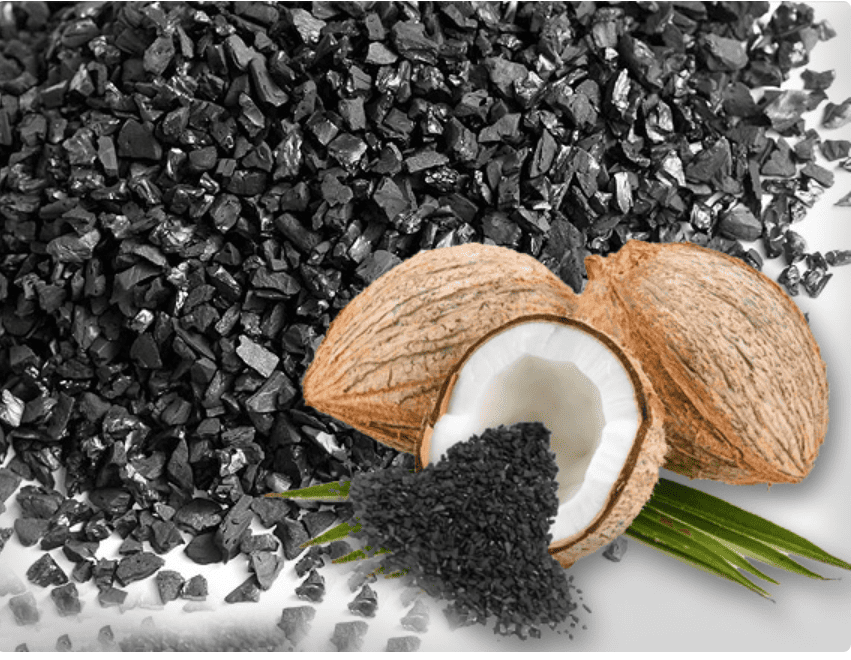

Activated carbon, commonly known as activated charcoal, is a highly porous form of carbon used for its exceptional adsorption capabilities. Among all types, coconut shell-based activated carbon stands out for its high microporosity and superior hardness, making it ideal for air purification, water treatment, gold recovery, and industrial filtration.
India is one of the leading global producers and exporters of coconut shell-based activated carbon, thanks to abundant coconut cultivation in southern states. The raw shells are carbonized at high temperatures in a controlled environment and then “activated” through steam or chemical processes to open millions of micro-pores. This results in a material with a high surface area—often exceeding 1100 m²/g—and an iodine number typically between 1000–1200 mg/g
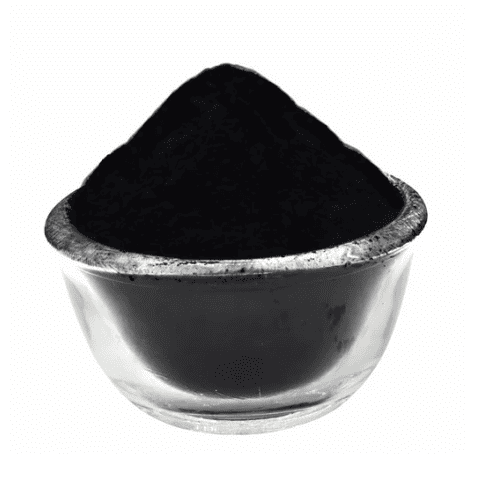
Coconut shell carbon is primarily available in Granular Activated Carbon (GAC) and Powdered Activated Carbon (PAC) forms, each suited to different applications: - GAC is used in municipal and industrial water filters, air purifiers, and gold extraction. - PAC is applied in pharmaceutical processing, food-grade decolorization, and effluent treatment.
Different specifications such as mesh size, iodine value, moisture, ash content, and acid-washing are tailored depending on client needs and application sectors.
Owing to increasing global demand for sustainable and efficient filtration media, Indian coconut-based activated carbon is gaining wide preference—particularly in the U.S., EU, Middle East, and Africa.
Companies with strong sourcing networks and export experience, like Ochnology Solution, are well-positioned to meet international demand. With access to certified manufacturing units and quality-driven logistics support, Ochnology ensures reliable supply, competitive pricing, and full compliance with export standards—making it a dependable partner for bulk activated carbon exports.